

Network Audio Amplifier
- USD 0.00

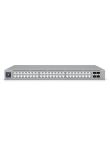
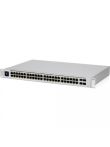
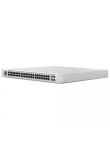
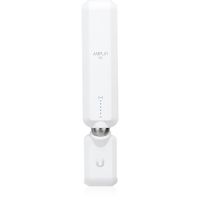
 AMPLIFI AFI-P-HD AmpliFi High Density Home Mesh Point
 Out of Stock
Brand: Ubiquiti Networks SKU: AFI-P-HD Condition: NEW Call us for price(669) 244-0333
Network Audio Amplifiers – IP-Based Sound Systems for Commercial & Multi-Zone Audio
The world has become interconnected, and streaming and media consumption are at an all-time high, generating massive demands for innovative gadgets that are smart, scalable, and remotely manageable. Audio entertainment is also not an exception. In this background, network audio amplifiers can help you elevate your music experience to the next level, whether you are a casual listener or an audiophile. Network Amplifier systems are designed to combine powerful amplification with network connectivity, allowing users to stream, control, and distribute audio across multiple zones with ease. These IP-based sound systems have become immensely popular thanks to the seamless and high-quality wireless audio experience they deliver. They can convert a passive speaker into a powerful network speaker, streaming high-res audio over Ethernet or WiFi, processing it with pro DSP, and driving speakers across zones without the wiring nightmare of legacy PA systems. However, LAN Audio Amplifiers are available in various types and specs, warranting our in-depth discussion so that you can choose the best network audio amplifier for commercial use as well as for smart homes, schools, and offices.
What is a Network Audio Amplifier?
The digital audio amplifier network, simply speaking, is an advanced audio IP-based system that can connect to LAN or WiFi, designed for receiving digital audio signals, amplifying them, and distributing sound to speakers across different locations. They support centralized control, remote access, and seamless integration with streaming platforms and automation systems. Network Audio Amplifier systems incorporate network streaming capabilities. More importantly, thanks to DLNA support, users can stream audio from various network-attached storage devices or media servers such as NAS drives.
Though WiFi audio amplifiers are also available and quite popular, network audio amplifiers are typically Ethernet-based, supporting better stability and convenience; you can transmit audio feed all from one cable.
Ethernet Audio Amplifiers vs WiFi Audio Amplifiers: Which One is Better?
Both are quite popular among music listeners, whether casual or audiophiles. Each audio system offers a specific set of advantages and disadvantages.
For instance:
Network Audio Amplifiers:
They provide multiple pros for audiophiles.
First, Ethernet-based audio amplifiers are comparatively more stable than WiFi audio amplifiers. They are resistance against external inferences, delivering an uninterrupted music experience, making them more suitable for large multi-room settings.
Second, they support faster speeds as compared to WiFi audio systems, supporting quick loading and buffering of high-quality music streams for a seamless music experience.
Third, they can deliver a consistent level of performance, making them ideal for streaming high-resolution audio without dips in quality.
However, network audio amplifiers suffer from drawbacks as well. For instance, they are immobile, connected to a router or network switch through Ethernet cables. Secondly, they are not compatible with modern smartphones or tablets, as users need to have a docking station or adapters for Ethernet connections.
WiFi Audio Amplifiers:
The first obvious advantage of WiFi audio systems is that they are convenient. You can connect them to the network within the range of the router. The Mesh WiFi systems have added more to their convenience level. Second, they are compatible with all modern devices because they come with WiFi compatibility.
Downsides of WiFi audio amplifiers are also there. They are susceptible to external interference. For instance, WiFi signals get disrupted due to physical obstruction (wall, etc.), other WiFi devices, and competing networks. It can disrupt a seamless audio experience. Speed is also not up to market. The ultimate speed of a WiFi audio system is determined by the WiFi technology that is employed, such as WiFi 5 or WiFi 6.
Key Features of Network Audio Amplifiers:
Ethernet audio amplifiers are equipped with multiple advanced features, making them suitable for seamless audio systems for offices, schools, retail stores, restaurants, and other large buildings.
1. Network Connectivity:
The network audio amplifiers are designed to show connectivity with Ethernet for stable streaming or WiFi (2.4 GHz and 5 GHz Wi-Fi bands) for easy placement. Users can thus ensure seamless integration with various systems and stable performance as per their taste and preference.
They also feature Analog stereo RCA inputs, ensuring seamless connection with Hi-Fi sources such as a CD player or Vinyl Turntable. Similarly, RCA or a digital Toslink is also for hooking up with a TV in WiFi amplifiers.
Furthermore, some advanced and professional-grade LAN audio amplifiers also support VLANs and QoS (Quality of Service) to prioritize audio traffic and ensure uninterrupted streaming.
2. Multi-Zone Audio Amplifiers:
This is the most prominent and powerful feature of streaming audio amplifiers. They can allow audio across multiple zones in a house, for instance, 4-32 zones with independent volume, source selection, and ducking. Each zone is thus programmed to receive unique audio, allowing users to adjust playback, volume, and EQ. You can control and play the same or different music in various rooms, controlling them by an app on either a smartphone, tablet, or purpose-built wall controller. Furthermore, you can also group any of the zones; alternatively, control each zone independently.
Consequently, a network amplifier with zone control and streaming can thus be deployed for different applications. For example, different music in the lobby, rooms, and restaurants in hotels; background music + announcement zones in offices; and targeted audio for different store sections in retail stores.
3. Remote Management:
These audio over IP amplifiers for large buildings support remote management either through mobile-based applications or web-based browsers. For instance, Cloud dashboards such as Q-SYS UCI or apps like BSS BLU-link allow users to enjoy real-time metering, fault alerts, and firmware OTA updates. Thanks to DLNA & UPnP support, users can stream directly from network, cloud, or local media libraries.
They support regular software and firmware updates, ensuring compatibility with the latest audio codecs and streaming services.
4. Streaming & Source Flexibility:
IP audio amplifiers support streaming from multiple audio sources, including Internet radio stations, cloud streaming platforms (Spotify, etc.), Network Attached Storage (NAS), local media servers, and live audio feeds (microphones, PA systems).
What’s more, they support high-resolution audio through codecs and high-performance D/A conversion for playback of high-resolution audio formats. For example, formats like FLAC, WMA, AAC, and ALAC are often supported at the 24-bit/96 kHz sample rate (CD is 16-bit/44 kHz), allowing users to enjoy studio-quality sound at home, offices, and other settings. You can thus deploy a network amplifier for retail stores and restaurants and enjoy a seamless, immersive experience.
5. DSP & Audio Processing:
Digital Signal Processing is another powerful feature of these streaming audio amplifiers, turning them effectively into simple power devices into intelligent audio hubs. They allow users to enjoy precise equalization, dynamic range control, room correction, and protection of speakers for consistent, high-quality sound.
For instance, Digital Signal Processing or DSP enables these network-based audio amplifiers to perform multiple tasks.
• Signal optimization through adjustment in frequency response, correction in acoustic deficiencies, and tailoring sound to room acoustics.
• Equalization (EQ) by fine-tuning bass, midrange, and treble, matching listener preferences or speaker characteristics.
• Dynamic Control by compression and limiting prevents distortion and protects speakers from overload.
• Crossover Management through splitting audio into frequency bands for multi-driver speakers or subwoofer integration.
• Room Correction by utilization of measurement microphones and DSP to counteract reflections, standing waves, and uneven frequency response.
What’s more, these IP audio amplifiers also perform audio processing. For instance, they feature the following audio processing capabilities:
• Format conversion, as they can convert analog, digital, or networked audio signals into usable formats.
• Filtering as they can filter high-pass, low-pass, and parametric filters for precise tonal shaping.
• Mixing as they are capable of combining multiple inputs into multiple outputs for multi-room or multi-source playback.
Overall, DSP and audio processing capabilities of these commercial audio amplifiers allow users to enjoy optimum sound quality irrespective of room acoustics and speaker placements.
6. High Power Output:
Network audio amplifiers are designed to deliver commercial-grade performance. They can deliver output ranging from tens to thousands of watts, support low-impedance (4/8 ohms) and high-impedance (70V/100V) systems. Moreover, they come with Class D amplification for energy efficiency.
How Network Audio Amplifiers Work:
These Ethernet audio amplifiers for a PA system are designed to deliver a powerful audio experience. They follow a simple process, the details of which are given below:
Step#1: Connection with LAN:
Network-based audio amplifiers are connected to the Local Area Network through Ethernet or WiFi. This connection enables these IP audio amplifiers to communicate with other devices such as servers, computers, and streaming platforms.
It should be noted that Ethernet audio amplifiers are preferred for professional settings as they support a stable, high-speed, and reliable audio distribution system.
Step#2: Receiving Audio Stream:
After a WiFi or Ethernet connection is established, these audio amplifiers start receiving digital audio streams over networks. They can receive digital audio streams from multiple sources, including streaming services, media servers, or connected devices. Digital audio amplifiers allow transmission of these streams as data packets with the help of network protocols.
Step#3: Decoding and Amplification of Signals:
IP audio amplifiers then decode the digital audio signal into an audio format by using built-in electronics. After decoding, they amplify the signals to a higher level so that they can drive speakers effectively.
Step#4: Distribution to Speakers:
Finally, the amplified audio is transmitted to connected speakers. They can distribute audio to a single or multiple zones. Since they are a multi-room network audio amplifier system, you can have independent control of synchronized playback for each zone, helping you establish clear, consistent sound across all areas.
Types of Network Audio Amplifiers:
There are multiple ways in which we can classify network audio amplifiers depending upon how many zones they can support and how they connect.
1- Integrated Streaming Amplifiers:
This type of network-based audio amp combines a preamplifier and a power amplifier into a single unit, offering all-in-one audio components. They are designed to integrate multiple inputs to connect various audio sources, such as turntables, CD players, and digital devices. Integrated streaming audio amplifiers also feature built-in preamplification stages, enhancing the signal before it is amplified by the power amplifier section, making sure that the audio quality is premium and studio-level.
What’s more, they also feature built-in support for streaming platforms and internet radio, and they are easy to set up and install, making this type of IP audio amplifier suitable for schools and offices, and other users who want a high-quality music experience within small settings.
2- Multi-Zone Amplifiers:
As the name indicates, multi-zone amplifiers are designed to power multiple audio zones or rooms simultaneously. They allow multiple specialized features, including independent control of volume and audio source for each zone, support for playing different content in different areas, and synchronization of audio across zones. They are scalable for expanding systems. This type of audio over IP amplifier can be used for hotels, offices, smart homes, and commercial spaces with multiple rooms.
3- Commercial PA Network Amplifiers:
These IP-based audio amps are designed for public address (PA) and large-scale audio distribution systems. They support microphones, announcements, and emergency alerts, and are compatible with 70V/100V speaker systems for long-distance coverage. Ethernet audio amplifiers for a PA system also come with high power output for large areas. They can thus deliver reliable performance for continuous operation, making them suitable for airports, malls, schools, factories, and large public venues.
4- Rack-Mount Network Amplifiers:
Rack-mount audio amplifiers are built for professional AV installations. They offer multiple advanced features, including organized and space-efficient installation and easy integration with other network and audio equipment. They are suitable for centralized control rooms or server racks; for instance, they are deployed in data centers, broadcast facilities, control rooms, and enterprise environments.
Key Specifications to Consider in Network Audio Amplifiers:
If you are new to the audio amps market, you need a comprehensive answer to questions of how to choose a network audio amplifier. To address this question, you need to understand some key specs that you must consider before making the ultimate decision.
1- Power Output (Watts):
Power output, measured in Watts, is an important consideration. It indicates how much electrical energy the amplifier can deliver to speakers. Normally, the higher the wattage of network audio amps, the higher the sound of speakers and the better the performance. It is very important that your amplifier provide sufficient power to the speakers without causing any distortion. Furthermore, surplus power can provide headroom, enabling your network audio amps to avoid sound clipping at high volumes.
You can calculate your total power output requirements by adding speaker sensitivity (dB/W/m), distance, and headroom (20%). For instance, 90dB speakers in a 500m² office need almost 200W/ch for 100dB SPL.
2- Channels & Zones:
You should also consider how many channels and zones a streaming audio amplifier can support. Channels indicate the number of speaker outlets, for instance, 2-channel audio amps or 4-channel network audio amps. Zones are separate areas where independent control is available. These features are important because you thus enjoy multi-room audio distribution, independent control of volume and content, and greater flexibility in system design.
You should consider matrix mixing, such as 8in x 8out routing. Basic audio amps are 2-4-channel studies, whereas pro-level digital audio amplifiers feature 8-32 channels with bridging.
3- Connectivity (LAN/WiFi):
Connectivity that can be Ethernet LAN-based or WiFi determines how network audio amplifiers can be integrated in your settings. In this regard, LAN (Ethernet) connectivity delivers stable and low-latency, making it ideal for commercial setups. WiFi connectivity supports flexible and easier installation.
As a recommendation, you need to look for:
• Ethernet: Dual Gigabit RJ45; SFP fiber for 10G/40G backbones.
• WiFi: 802.11ax (WiFi 6) MU-MIMO; fallback only.
You can also seek some extra features, including PoE++ (90W), USB-C (96kHz), and HDMI-ARC (TV audio). You can thus ensure seamless integration of audio amps into your smart homes and other settings.
4- Supported Protocols:
Supported protocols determine how audio is transmitted over the networks. Concerning this, there are multiple protocols supported by network audio amps. Here is a table showing various protocols and their typical use cases:
|
Protocol |
Key Features |
Use Cases |
|
Dante |
Low latency, high-quality, uncompressed audio, scalable, widely adopted |
Professional AV systems, stadiums, and broadcast |
|
AES67 |
Interoperability between different audio-over-IP systems, high-quality audio |
Broadcast, enterprise audio networks |
|
AVB (Audio Video Bridging) |
Time-synchronized, low-latency streaming requires compatible hardware |
Live sound, automotive audio |
|
SIP (Session Initiation Protocol) |
Voice/audio communication over IP networks |
Paging systems, VoIP integration |
|
RTSP (Real Time Streaming Protocol) |
Real-time control of streaming media |
IP cameras, live streaming setups |
|
DLNA / UPnP |
Media sharing over a local network is widely supported |
Home entertainment systems |
5- Signal-to-Noise Ratio (SNR):
Signal-to-Noise Ratio (SNR) is another critical consideration when you are looking for the right WiFi network amplifier for background music and other applications.
SNR is a measurement between the desired signal output of your network audio amplifiers and unwanted background noise. It is measured in decibels (dB). Normally, the higher the SNR, the better, because a higher SNR ensures less audible hiss, hum, or interference. A digital amplifier with low SNR is plagued by noticeable background noise, especially at low volumes.
Here are some recommendations that can help you make a well-informed decision.
• Home / Small Offices: STR should be 85–90 dB for decent sound quality.
• Commercial Spaces (retail, restaurants, offices): You should go for 90–100 dB to ensure clean background music and announcements.
• Professional Audio (studios, broadcast, auditoriums): You should aim for 100 dB or higher for pristine, noise-free output.
In addition to these, you should also keep in mind the following factors:
• The amplifier’s SNR should match or exceed the SNR of speakers and audio sources (mixers, streamers).
• You should look at the full audio chain, including streaming sources, network cables, and DAC (Digital-to-Analog Conversion).
• You must balance SNR with THD (Total Harmonic Distortion) for overall improved sound quality.
6- Total Harmonic Distortion (THD):
Total Harmonic Distortion (THD is another important consideration. THD indicates how much an amplifier changes the original audio by mixing unwanted harmonics. It is expressed in percentage, and generally, the lower the THD, the cleaner and more accurate the sound reproduction.
• Home / Basic Use: THD equal to or less than 0.1% is sufficient for your needs.
• Commercial Installations (offices, retail, restaurants): THD equal to or less than 0.05% for clear background music and announcements.
• Professional Audio (studios, live sound, broadcast): You should choose network audio amps with 0.01–0.03% for maximum audio accuracy.
FAQs:
1- Do I need PoE switches for the installation of Network Audio Amplifiers?
Yes, for your PoE++ Network Audio Amps models (802.3bt, up to 90W). A Cat 6 cable can support power, data, and audio.
2- How many zones can one amp handle?
Typically, a network audio amp can handle 4-32 zones via DSP matrix routing.
3- What protocols should I prioritize: Dante or AES67?
Dante for plug-and-play ecosystems whereases AES67 for open-standard multicast compatibility. You should go for dual-support to bridge legacy VoIP or SIP paging in offices.
4- How is a network audio amplifier different from a traditional amplifier?
Traditional amplifiers use a direct wired connection for audio amplification, whereas network audio amplifiers utilize an IP-based network to stream and control audio, allowing users to enjoy remote access, scalability, and flexible installation.
5- Which network protocols are commonly supported?
Network Audio Amplifiers rely upon the following protocols to ensure compatibility and high-quality audio transmission over networks.
• Dante
• AES67
• AVB (Audio Video Bridging)
• RTP/RTSP
Featured Products