

Modular cameras
- USD 466.91

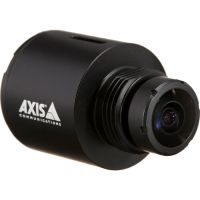
 Axis Communications 02857-001 P1245 Mk II 1080p Indoor Netwo...
 In Stock
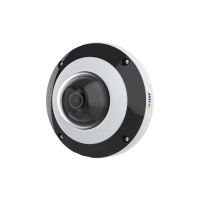
Brand: Axis Communications SKU: 02857-001 Condition: NEW USD 466.91 - USD 287.43 Axis Communications F2135-RE Fisheye Sensor In Stock
Brand: Axis Communications SKU: 02641-001 Condition: NEW USD 287.43 - USD 0.00 Axis Communications F4105-LRE Dome Sensor (8-Pack)
 Out of Stock
Brand: Axis Communications SKU: 02364-021 Condition: NEW Call us for price(669) 244-0333
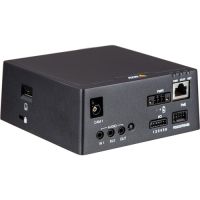
- USD 0.00 Axis Communications F9111 Main UnitOut of Stock
Brand: Axis Communications SKU: 01990-001 Condition: NEW Call us for price(669) 244-0333
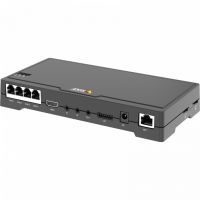
- USD 0.00 AXIS FA54 Main Unit - video serverOut of Stock
Brand: Axis Communications SKU: 0878-004 Condition: NEW Call us for price(669) 244-0333
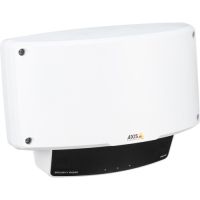
- USD 0.00 Axis Communications D2110-VE Security Radar SensorOut of Stock
Brand: Axis Communications SKU: 01564-001 Condition: NEW Call us for price(669) 244-0333
- USD 0.00 Axis Communications F9114 2nd Generation 4-Channel Main Unit...Out of Stock
Brand: Axis Communications SKU: 01991-001 Condition: NEW Call us for price(669) 244-0333

Modular Security Cameras for Professional Surveillance | Modular IP Camera Systems
Over the years, advanced manufacturing industries have undergone rapid digital transformation, drastically changing requirements for an effective mechanism for surveillance and monitoring. Modular cameras have become a preferred choice for managers and owners. These cameras are advanced imaging systems that are made of separate interchangeable components such as sensor boards, processor modules, and interface boards (e.g., GigE, USB3). This modular design helps users perform mix-and-match configurations for specific needs such as resolution, frame rates, or environmental durability. That’s why multiple industries are using these mission vision cameras for multiple applications such as robotics, automation, Automated Optical Inspection (AOI), 3D scanning & measurement, barcode & object identification, medical & scientific imaging.
1- What is Modular Camera for Machine Vision and Industrial Applications?
A modular camera is a highly flexible and customizable imaging system that comes with separate, interchangeable components such as a sensor unit, processor, and cable. You can either assemble them or place them individually.
Normally, a typical modular camera is divided into the following components:
• Image sensor module
• Processing unit or FPGA/CPU
• Lens mount or optical interface
• Communication interface (GigE, USB, etc.)
• Housing or enclosure
Users can thus upgrade, replace, or modify the parts of these cameras without any need for redesigning the entire camera systems. For instance, you pair specific sensors with varying processing power, enjoying high-speed and high-resolution inspection in varied environments.
2- Why Businesses Prefer to Deploy Machine Vision Cameras?
Industries like manufacturing, robotics, security, and automation are using these embedded vision cameras as they offer multiple advantages. For instance:
• Flexible Architecture:
AI-empowered machine vision cameras are provided with a flexible architecture, allowing users select the best components for their application, such as different sensors, lenses, or processing boards. A module camera comes with three components:
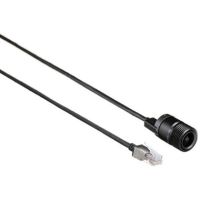
• A compact sensor unit containing the image sensor and lens
• A connecting cable
• The main unit responsible for image processing and network communication.
Each component can support different functions and capabilities; however, the overall performance of the modular camera depends upon the combined strength of these parts. This flexibility allows operational managers and supervisors of manufacturing and emerging industries to design custom machine vision solutions for their particular needs.
• High-Speed Image Processing:
These smart modular camera modules are equipped with powerful processors or FPGA chips, enabling these cameras execute tasks like image correction, white balance adjustment, perspective correction, and illumination compensation.
• Flexible Installations:
These industrial cameras feature flexible installations, allowing users to deploy them both indoors and outdoors. They also feature a compact design, enabling users fit them in any space. Since they come with a divided camera concept, helping users ensure discreet installations even in tight spaces.
• Multiple Camera Coordination:
These modular cameras are designed to support coordination among multiple cameras. Users can coordinate these cameras for enhanced surgical imaging and omni vision applications. It helps strengthen overall surveillance and monitoring capabilities.
3- Types of Modular Machine Vision Cameras:
Here are some types of modular cameras that you need to know.
• Area Scan Modular Cameras:
Area cameras are designed to capture 2D images in a single exposure. They are flexible and easy to set up. They utilize a rectangular sensor array to perform part presence inspections, dimension verification, or label readings.
Key advantages of using area scan modular cameras are simple integration and high-resolution images, making them suitable for general inspection tasks such as quality control, etc.
• Line Scan Cameras:
Line Scan modular cameras are capable of capturing one row of pixels at a time and assembling the image as the target moves past the sensor. High-speed line scan cameras can capture fine details of a long section of material without any adverse impact on accuracy.
Line Scan Modular cameras can produce high-resolution images, making them suitable for fast-moving production lines such as Continuous manufacturing processes, textile inspection, paper and printing industry, and surface inspection of large materials.
3D Vision Cameras:
These modular cameras are designed for applications that demand height measurements or geometric surface profiling. Thanks to technologies like structured light, stereo imaging, or time-of-flight, 3D machine vision cameras can provide depth data in addition to standard 2D images.
3D capability makes them suitable for industries like robotics navigation, automated picking systems, and quality measurement.
Smart/AI Modular Cameras:
These modular cameras are provided with built-in processing capabilities, making sure that they perform some image analysis tasks directly on their own. AI-powered modular vision cameras are mostly suitable for applications with real-time processing needs, such as tracking moving objects or detecting defects in real-time.
Thermal Modular Cameras:
These are purpose-built modular cameras that are designed to capture images based on the temperature of objects in a scene. They can thus monitor temperature in industrial processes, detecting hot spots in electrical systems, or detecting people or animals in low-light environments.
How to Choose the Right Modular Camera for Industrial and Machine Vision Applications:
There are multiple manufacturers that are producing modular cameras with varying specs and functionalities, making it a daunting task to choose the modular cameras for your needs.
• Resolution Requirements:
Resolution is the first consideration when you intend to purchase a modular camera. Resolution determines how many details a camera can capture. Needless to say, higher resolution indicates a higher number of pixels, but also demands higher processing power. Therefore, you need to strike a balance between the resolution you need and the budget you have.
Here are some specific recommendations regarding how much resolution you need.
• Low-resolution (1–5 MP) modular cameras are suitable for simple inspection and barcode reading.
• Cameras with medium resolution (5–12 MP) are recommended for general industrial inspection.
• Finally, high resolution (12 MP+) is suggested for precision inspection and measurement.
• FOV Requirements:
Field of View (FoV) is the area that a modular camera can capture. It is determined by sensor size, lens focal length, and working distance. You need to know exactly the FOV requirement through the number of components that need to be covered at a time. You can program your embedded machine vision cameras so that all tasks can be executed smoothly, reducing errors and saving energy costs.
• Choose the Right Image Sensor:
An image sensor is one of the most important components of any modular camera. Therefore, you need to choose the image sensor carefully. There are multiple types of sensors, for instance:
CMOS Sensors are known for faster processing speeds and lower power consumption, making them suitable for industrial automation and robotics. They are part of most of the modern machine vision systems as they can provide a balance between image quality and speed.
Global shutter enables cameras to capture distortion-free images by exposing all pixels at a time. They provide fast processes and sharp images with no blur on moving objects.
• Interfaces:
The interface of the camera determines how it is connected to systems and how much data can be transferred between the two.
When it comes to interfaces, you will usually have three options:
• USB 2.0 and USB 3.0 modular cameras
• GigE cameras
USB 2.0 modular cameras are cost-effective, small, and handy, making them highly popular in medicine and microscopy. These cameras are available in different variants, including with or without housings, as board-level or single-board, or with or without digital I/Os.
USB 3.0 modular cameras are also simple and cost-effective. USB 3.0 modular camera for PC integration delivers decent data transfer, making it suitable for the everyday needs of industries.
GigE Vision modular cameras are more suitable for long cable runs and network-based systems. GigE modular cameras for industrial use are particularly sought-after, recommended for faster data transfer rates and handling of events.
PCIe modular cameras are known for supporting extremely high data transfer rates. These are high-resolution modular camera modules that are suitable for advanced applications in industries such as industrial automation, robotics, quality inspection, AI vision systems, medical imaging, and security monitoring.
• Frame Rate:
Frame rate is another consideration that you should give serious attention to. It indicates how many images the camera can capture per second (FPS). Frame Rates are particularly relevant to n applications involving fast-moving objects or real-time monitoring.
Modular cameras with high frame rate support capturing more images per second; however, long exposure cameras can capture more light, but images can be motion-blurred.
As a recommendation, you are suggested to select a camera with high frame rates, as it will help you ensure accurate detection and tracking in fast-moving manufacturing environments.
Additionally, you should also look for advanced capabilities, including autofocus, image stabilization, and built-in image processing. These features help you enhance the performance of your modular camera.
• Environmental Factors:
In any industrial setting, temperature, humidity, and vibration can play a key role in determining the performance of embedded machine vision systems. You need to consider these environmental variations and undertake protective measures accordingly.
Temperature fluctuations have direct impacts on image stability, leading to deterioration in image quality. High humidity can also cause condensation on the lens and can potentially damage the camera housing. Finally, vibration can cause misalignment and blurry images.
You should undertake precautionary measures to mitigate these factors. Concerning this, you can go for sealed enclosures, thermal management systems, and shock-absorbing mounts. You should also consider IP67 rating, thermal management (-10°C to 70°C), and EMC compliance for factories.
• Lighting Conditions:
The importance of ambient lighting cannot be overemphasized. It effects quality and accuracy of the images captured by your machine vision camera. You need to consider factors like camera type, sensor size, and resolution before making the ultimate decision on which lighting solution is best-tailored to your needs.
Concerning this, you can choose from multiple lighting solutions to meet your needs, including LED lights, ring lights, backlights, and structured light projectors. However, you need to make sure that the lighting solution is compatible with the camera system, working distance, field of view, and the nature of the objects being imaged.
If you take all of these conditions into consideration, you can make sure that your modular camera can deliver the best possible image quality and performance.
FAQs:
1- What is a machine vision system?
A machine vision system comprises several components, including the camera, lenses, lighting, and an image processing unit. They are used in multiple advanced industries such as robotics, industry automation, quality inspection, and more.
They can create automated images in industrial applications for various ends, such as helping users check objects within close proximity, identify the color or size of an object, and decipher between barcodes and printed characters.
2- What are the applications for Modular Cameras?
They are being used extensively in different sectors and applications. For instance, they are deployed for appearance inspection, vehicle and machine safety, warehouse guidance, stock monitoring, surveillance, code reading, and measuring.
3- What industries use modular Cameras?
They are used in multiple industries, including:
• Manufacturing
• Logistics
• Construction
• Entertainment
• Commercial industries
• Food and packaging
• Pharmaceutical
• Medical
• Electronics and engineering
4- What factors should be considered when selecting a modular camera?
You need to consider multiple factors into consideration before making an ultimate decision. For instance, application requirements, image resolution, frame rate, sensor type, interface compatibility, lens compatibility, and environmental conditions are some factors that, if taken care of, can help you enjoy optimum camera performance.
5- Are modular cameras compatible with machine vision software?
Modular cameras for machine vision applications utilize standards like GenICam, GigE Vision, and USB3 Vision. That’s why they are mostly compatible with vision software platforms used in automation and inspection systems.
Why Buy Modular Cameras from Kijero?
Kijero has carved out a unique name in the market by offering a comprehensive range of modular camera modules and accessories at the best possible price in the USA market. We deal in 3D cameras, area scan, embedded, ToF cameras, IP cameras, and Line scan cameras. We also offer heavy equipment cameras, camera enclosures, barcode readers, machine vision hardware & software, smart cameras, lenses, filters, and a range of accessories and associated components.
Featured Products